
In the battle against cancer, we often direct our attention toward the most cutting-edge medications and precise medical equipment — yet we frequently overlook the most fundamental and important factor of all: your dinner table.
Many patients find that when they begin chemotherapy or radiation therapy, severe side effects (such as mouth sores, nausea, and changes in taste) make eating feel difficult or even impossible. This creates a dangerously vicious cycle: not eating leads to rapid weight loss, which causes white blood cell counts and immunity to drop, until a physician ultimately deems the patient "too weak to tolerate the next round of chemotherapy" — forcing a treatment interruption. According to the ESPEN (European Society for Clinical Nutrition and Metabolism) 2017 clinical nutrition guidelines for cancer patients, malnutrition is extremely common among patients undergoing cancer treatment and is directly associated with reduced treatment tolerance, increased infection risk, and lower survival rates — making adequate nutritional intake throughout the course of treatment a critical prerequisite for treatment success [1].
Remember: during treatment, your physical strength is your most tangible fighting power. Eating the right foods is not just about filling your stomach — it is about resupplying ammunition for your immune system's front lines.
The Nutritional Triangle: High Protein, High Calorie, High Fiber
Dietary principles during cancer treatment are the complete opposite of the "light, low-calorie" approach we pursue in everyday life. Your body is undergoing a major repair process and requires enormous amounts of raw materials and energy.
High Protein: Protein is the essential building material for repairing damaged cells and maintaining immune function. Fish, meat, eggs, dairy, and legumes are all excellent sources — make sure every meal includes a source of protein. The U.S. National Cancer Institute (NCI) recommends that cancer patients pay special attention to adequate protein and calorie intake during treatment to maintain body weight, support tissue repair, and strengthen immune function [2].
High Calorie: Cancer cells consume a large amount of the body's energy reserves, meaning you need to consume more calories than usual just to maintain your body weight. Even something as simple as drizzling an extra spoonful of healthy plant oil (such as olive oil or flaxseed oil) onto your food is a good way to add calories.
High Fiber (adjusted for digestive tolerance): Adequate dietary fiber helps maintain gut health and prevent constipation. However, if you are experiencing severe diarrhea as a treatment side effect, you should temporarily switch to a "low-residue diet" and resume normal fiber intake once your digestive system has stabilized.
Practical Strategies: Overcoming the Three Major Eating Roadblocks
You know you need to eat — but what if you simply cannot? Here are some practical everyday tips for dealing with common treatment-related side effects:
Roadblock 1: Mouth Sores (Oral Mucositis) and Painful Swallowing Chemotherapy drugs attack the rapidly dividing cells that line the mouth, often causing severe sores. According to the MASCC/ISOO clinical practice guidelines for oral mucositis, mucositis is one of the most common serious side effects in patients receiving chemotherapy and radiation — and appropriate oral care combined with dietary adjustments are key to managing the discomfort [3].
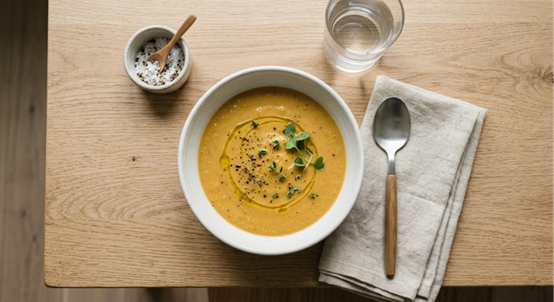
Strategy: Forget hot soups and hot dishes. Food should be allowed to cool to room temperature or served slightly chilled before eating — lower temperatures help soothe sore tissue. Additionally, blending food into a smooth puree or creamy soup and using a straw to deliver it past the front of the mouth can perfectly bypass sores at the front of the oral cavity.
Roadblock 2: Severe Nausea and Loss of Appetite Feeling nauseated by foods you used to love is one of the most common complaints among cancer patients. According to the 2023 updated MASCC and ESMO antiemetic guidelines, dietary adjustments (such as eating small, frequent meals and avoiding greasy foods) combined with appropriate antiemetic medications can significantly reduce chemotherapy-induced nausea and vomiting [4].
Strategy: Completely abandon the conventional concept of "three meals a day" and switch to small, frequent eating (6 to 8 times per day). Keep pudding, yogurt, or high-calorie snacks within easy reach at all times. If you truly cannot keep even water down, consider replacing plain water with medical-grade concentrated nutritional supplements (formula drinks) — so that every sip you manage to take delivers a full load of calories and protein.
Roadblock 3: Taste Changes and Metallic or Bitter Flavors Many patients on chemotherapy describe meat as tasting like cardboard, or report a persistent metallic or "rusty" taste in their mouth. Studies show that more than 60% of patients receiving chemotherapy experience some degree of taste and smell changes, which severely undermines appetite; however, self-management strategies such as switching to non-metal utensils and using tangy, flavorful ingredients to season food have been shown to effectively improve the eating experience [5].
Strategy: Switch Away from Metal Utensils: Metal spoons and stainless steel chopsticks can intensify metallic taste — replace them entirely with wooden or ceramic utensils. Additionally, make use of natural aromatics: since taste buds become dulled during treatment, try marinating meat with naturally tangy or fragrant ingredients such as lemon juice, pineapple, cinnamon, or fresh basil — this stimulates saliva production and helps mask bitter or metallic flavors.

Closing Thoughts: Every Bite Is an Act of Self-Encouragement
Eating — something that used to bring joy — can become a source of stress and pressure during cancer treatment. Please do not feel discouraged or blame yourself for having a difficult meal.
If all you can manage today is half a glass of apple juice, then drink that half glass. If a pudding is all you can face today, enjoy it without guilt. Treat eating as an act of gentle self-care, and use these small strategies to gradually find your rhythm again. Every time you make the effort to chew and swallow a mouthful of nourishment for the sake of your health, you have already taken the most resolute and powerful step forward in this battle.
[Expert Reminder]
Every person's side effects and physical tolerance differ. Please do not trust folk remedies or claims such as "fasting to starve cancer cells." If you are experiencing serious difficulties with eating, please make an appointment with a cancer dietitian at your hospital — they can create a personalized meal plan tailored specifically to your needs.
References
Arends J, Bachmann P, Baracos V, et al. (2017). ESPEN guidelines on nutrition in cancer patients. Clinical Nutrition. 36(1):11-48.
National Cancer Institute. (2022). Eating Hints: Before, During, and After Cancer Treatment. U.S. National Institutes of Health.
Lalla RV, Bowen J, Barasch A, et al.; MASCC/ISOO Mucositis Guidelines Leadership Group. (2014). MASCC/ISOO clinical practice guidelines for the management of mucositis secondary to cancer therapy. Cancer. 120(10):1453-61.
Jordan K, et al. (2024). 2023 MASCC and ESMO guideline update for the prevention of chemotherapy- and radiotherapy-induced nausea and vomiting. European Journal of Cancer.
Bernhardson BM, Tishelman C, Rutqvist LE. (2009). Taste and smell changes in patients receiving cancer chemotherapy: distress, impact on daily life, and self-care strategies. Cancer Nursing. 32(1):45-54.