Featured
 Featured
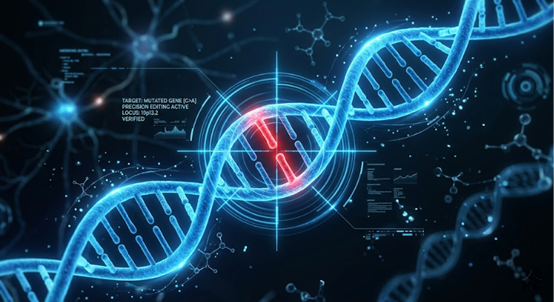
Latest Analysis from Nature Medicine: Cancer Treatment Enters the Era of “Precision Navigation”
This is the most common question heard in cancer wards, and a pain felt deeply by many patients and their families. In the past, cancer treatment was like a ‘gamble’—doctors could only prescribe standardized chemotherapy based on where the cancer originated. This approach was like ‘carpet bombing,’ causing patients to suffer serious hair loss, vomiting, and significant immune suppression.
 Featured
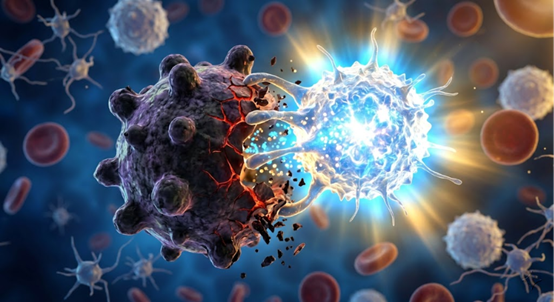
Awakening the Body’s Strongest Defense Force: How Immunotherapy Is Rewriting the Cancer Treatment Playbook
The human body already has a powerful defense force—the immune system, with T cells serving as the frontline fighters. Logically, when abnormal cancer cells appear in the body, T cells should immediately destroy them. But why does cancer still develop?
 Featured
2026 Healthcare Reform Bombshell: Can Your Insurance Policy Support “Next-Generation Therapies”?
With the explosive growth of medical technology, cancer treatment has already entered a completely new era. However, while we celebrate the advent of various ‘next-generation therapies’ (such as cell therapy and next-generation sequencing NGS), another real challenge is quietly approaching—Taiwan’s healthcare reform and premium structure adjustments in 2026.
 Featured
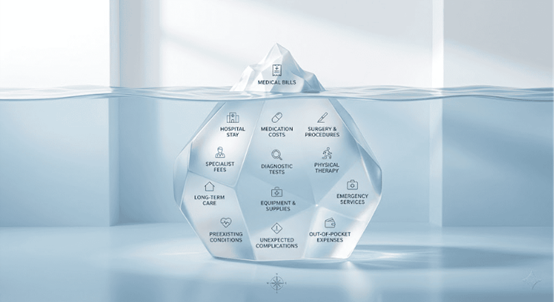
Uncovering the Hidden Financial Burden of Cancer: What Costs Are You Not Counting Beyond Drug Fees?
When receiving a cancer diagnosis, many people’s first instinct is to check their insurance policy coverage for expensive targeted drugs or chemotherapy. If coverage seems sufficient, they usually breathe a sigh of relief, thinking the financial alarm has been defused. But in reality, that’s only the first page of the cancer bill.
 Featured
Overcoming Cancer-Related Fatigue: Why Does More Rest Make You More Tired?
“I slept 12 hours straight, so why do I still feel like my bones are filled with lead, without even the strength to hold a glass of water?” This is the frustration that patients most commonly share with doctors in oncology clinics.
Select category
Overcoming Cancer-Related Fatigue: Why Does More Rest Make You More Tired?
“I slept 12 hours straight, so why do I still feel like my bones are filled with lead, without even the strength to hold a glass of water?” This is the frustration that patients most commonly share with doctors in oncology clinics.

Home Care Guide: The “Skin Revolution” Triggered by Targeted Therapy
“I’m being treated for cancer—why am I suddenly covered in acne, and why is my skin so dry it’s peeling like a snake?” When patients start taking targeted therapy drugs (especially those targeting EGFR gene mutations), the most common complaint is often not decreased energy, but this sudden ‘skin revolution.’
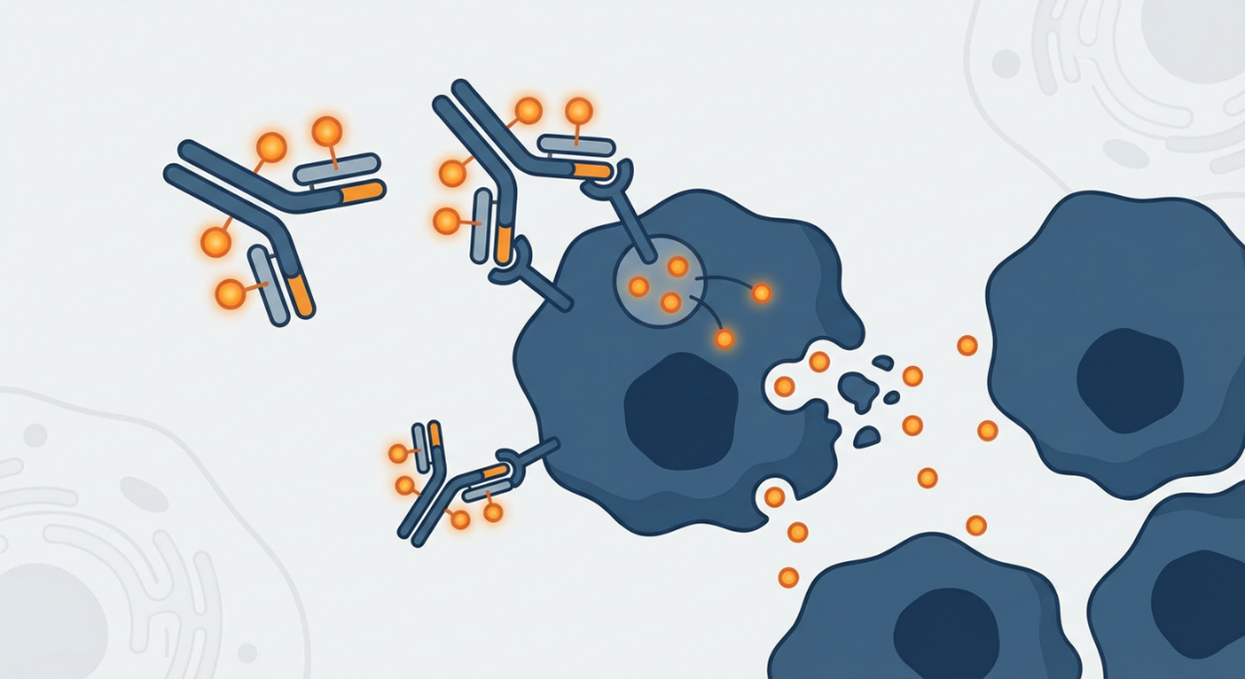
The New Frontier of Cancer Treatment: ADC Drugs Usher in a New Era of Precision Therapy
Antibody-Drug Conjugates (ADCs) are reshaping the direction of modern oncology treatment at a remarkable pace. Dubbed the ‘magic bullet’ of cancer treatment, this technology combines the precise targeting capability of monoclonal antibodies with the destructive power of highly toxic chemotherapy drugs.
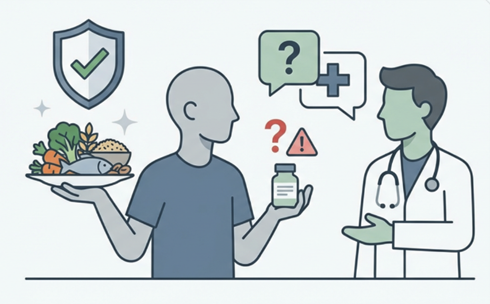
What Should Cancer Patients Watch Out for When Taking Health Supplements?
During cancer treatment, patients often consider supplementing with various health products, hoping to improve energy, reduce side effects, or boost immunity. However, health supplement use is not just a nutritional issue—it also involves treatment safety and efficacy, making it an important topic in cancer care that cannot be ignored.
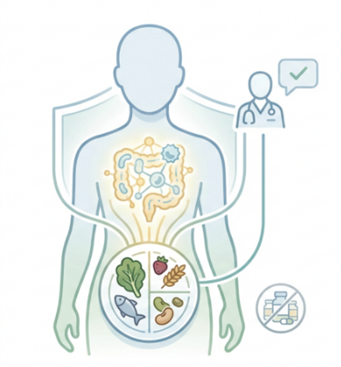
What Can You Eat During Immunotherapy?
Immunotherapy has become an important treatment option for many cancers, but many patients often wonder during treatment: ‘What can I eat to help the treatment work?’ Current evidence shows that diet not only affects physical strength and nutritional status but may also indirectly influence the immune system’s response through the gut microbiome.
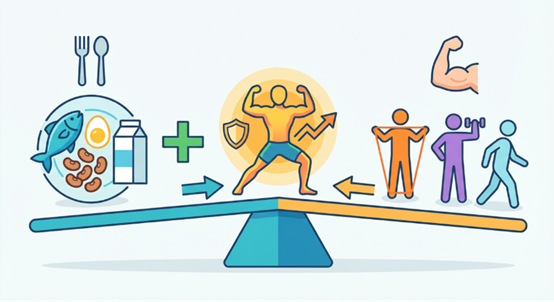
How to Prevent Sarcopenia During Cancer Treatment?
During cancer treatment, many patients experience weight loss, muscle wasting, and decreased physical strength—a condition known as “sarcopenia.” This not only affects quality of life but may also reduce treatment tolerance and prognosis. Recent research shows that sarcopenia is quite common among cancer patients, especially in those undergoing chemotherapy or long-term treatment.